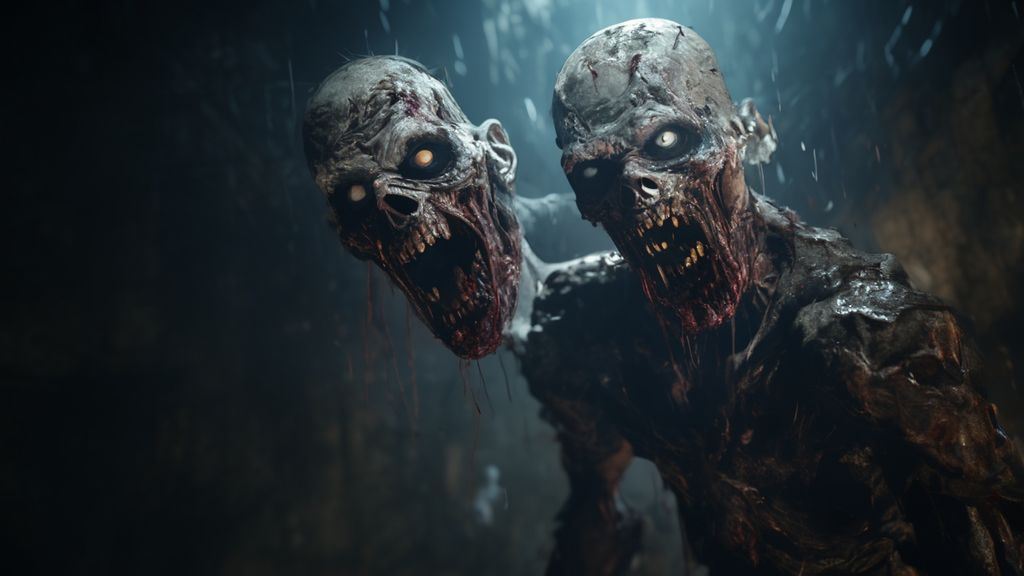

Just spotted on Reddit's infamous r/horror subreddit, a fascinating discussion has erupted, posing a question that's surprisingly overlooked: Why do zombie movies, despite their immense popularity, so rarely receive direct, narrative sequels? It's a valid point, and the conversation is already teeming with examples that make you scratch your head – or perhaps, your undead-bitten neck.
The original poster, u/fleemfleemfleemfleem, sparked this developing conversation, highlighting how many beloved zombie franchises opt for thematic connections, remakes, or parallel stories rather than continuing a single narrative thread with the same characters. Think about it: when you look at the landscape of the undead apocalypse on screen, true character-driven continuations are a rare breed. It seems the horror genre's obsession with the living dead has an unusual Achilles' heel when it comes to long-term storytelling.
The Romero Legacy and Beyond
George A. Romero's foundational Night of the Living Dead films set the stage for this trend. While his original quadrilogy (and later entries) undoubtedly form a cohesive universe, they operate more on thematic evolution than strict character continuity. Each film showcased a different facet of humanity's descent into chaos, but you weren't following the exact same band of survivors from Dawn to Day of the Dead. This established a precedent: the apocalypse is the main character, not necessarily its fleeting inhabitants. Then there's the beloved Return of the Living Dead series, which, after a fantastic original, notoriously veered off course. Its sequels started with a peculiar soft reboot that even reused actors in different roles, quickly devolving into narratively disconnected entries that felt more like spiritual successors than direct continuations. It's almost as if the creative teams behind these films felt the need to hit a 'reset' button, or at least a 're-imagine' button, rather than building directly upon what came before.
Reboot, Remake, Reanimate: A Genre Trend?
This pattern of sidestepping direct narrative sequels extends far beyond Romero's shadow. Take the critically acclaimed [REC] series, which brilliantly documented an outbreak from multiple perspectives. While they follow the same terrifying viral spread, the focus shifts to different characters in different locations within the same timeline, rather than following the survivors of the previous installment. It's a fresh take, certainly, but still not a traditional sequel. Even the wildly successful Resident Evil film franchise, based on the iconic video games, has seen multiple reboots and re-imaginings, completely resetting its lore and characters rather than pushing Alice's story (or any other character's) further into the abyss. And who can forget Evil Dead 2? While a masterpiece in its own right, it's widely regarded as a 'remakquel' – essentially a comedic retelling and expansion of the original's premise rather than a straightforward continuation. It appears that for many zombie and horror subgenres, the allure of a fresh start, perhaps to appeal to new audiences or simply explore different facets of the apocalypse, often triumphs the desire for ongoing character arcs.
The Rare Survivors: A Glimmer of Hope?
So, are there any exceptions to this genre-wide phenomenon? The Reddit thread points out a couple of notable examples. Zombieland stands out with its genuinely direct and character-driven sequel, Zombieland: Double Tap, continuing the journey of Tallahassee, Columbus, Wichita, and Little Rock. Similarly, Danny Boyle's 28 Days Later received a direct continuation with 28 Weeks Later, expanding on the Rage virus outbreak and its impact. However, even these examples aren't entirely clean. The upcoming 28 Years Later has reportedly indicated it might ignore certain aspects of 28 Weeks, suggesting even the few direct sequels might eventually succumb to the 'soft reset' temptation. This begs the question: is it the inherent nature of a zombie apocalypse – the constant threat of death, the ever-shifting landscape of survival – that makes consistent character narratives so challenging? Or is it a creative choice, allowing filmmakers more freedom to explore new ideas without the burden of established lore? Whatever the reason, this developing conversation highlights an intriguing quirk in the horror genre's undead heart.
The horror hive mind has spoken, and it seems the case for the scarcity of direct zombie movie sequels is strong. As the discussion continues to unfold on Reddit, it's clear that this unique aspect of the genre leaves us hungry for answers, much like a zombie for brains. What are your thoughts, ScreamDesk readers? Are you craving more direct narrative continuations, or do you prefer the constant reinvention of the undead apocalypse? Let us know!