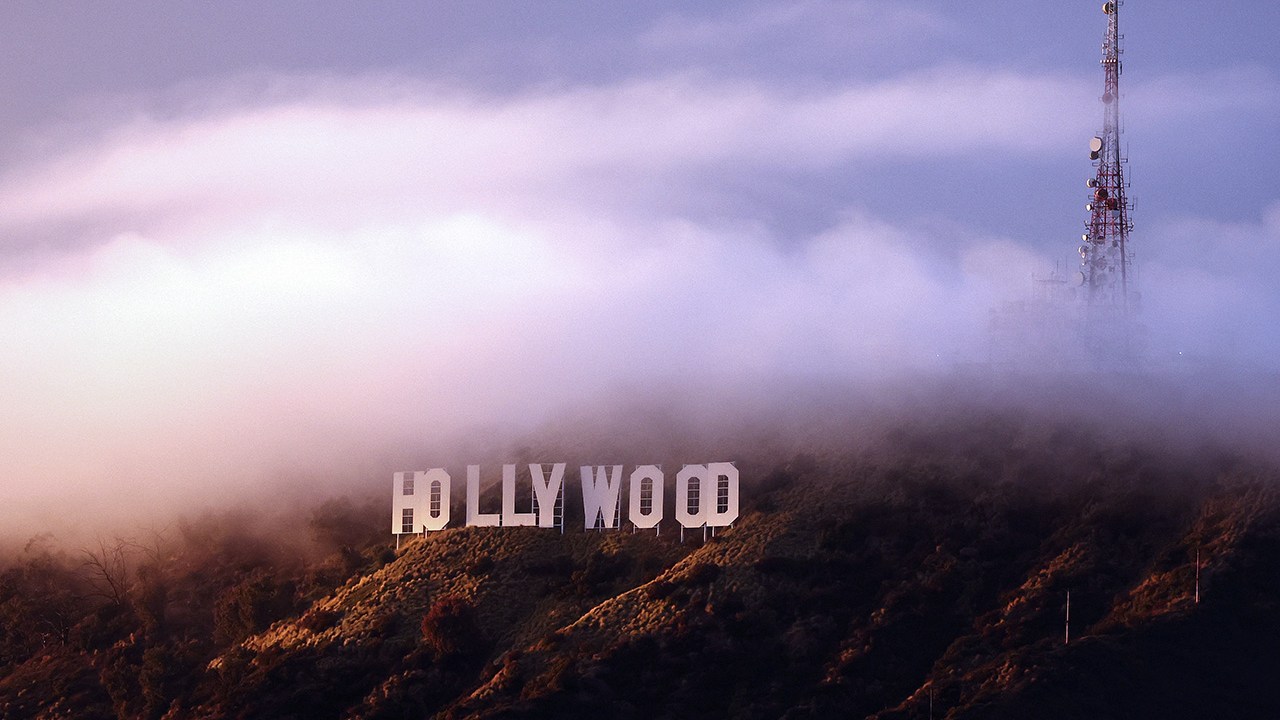

Horror fans, brace yourselves. While we're always hungry for the next jump scare, the latest report from FilmLA paints a decidedly grim picture for the very engine that brings our nightmares to life. According to data released for the fourth quarter of 2025, Los Angeles production showed no sign of a rebound, with production days for film, TV, and commercials plummeting by 12.3% compared to the prior quarter. This isn't just a number on a spreadsheet; it's a chilling indicator that could directly impact the release schedules and creative landscape of our beloved horror genre.
The Ghost in the Machine: L.A.'s Production Downturn
The Variety Film report highlighted that the industry is still in a holding pattern, awaiting the full effect of a hike in state incentives. In an era where states vie for production dollars with attractive tax breaks and rebates, California has been struggling to remain competitive. This isn't a new issue, but the continued downward trend — a continuation from previous quarters — is particularly concerning. A 12.3% drop in production days isn't just a minor dip; it represents fewer sets buzzing with activity, fewer cameras rolling, and fewer opportunities for the stories we crave to be told. For a genre like horror, which thrives on both big-budget studio spectacles and nimble, independent guerrilla filmmaking, a sluggish production environment in Hollywood's epicenter is nothing short of ominous.
Think of the intricate ecosystem that makes up L.A.'s film industry: the specialized crews, the sound stages, the prop houses, the post-production facilities that add that perfect unsettling sound design or chilling visual effect. When production slows, this entire ecosystem feels the pinch. Many horror projects, especially those with smaller budgets, rely on the efficiency and availability of this established infrastructure. A downturn not only impacts major studios but also sends ripples through the independent scene, where innovation often flourishes and new genre voices emerge.
A Frightening Forecast for Horror's Future
What does this mean specifically for horror? Firstly, a prolonged slowdown could lead to fewer greenlit projects. Studios, facing higher production costs or a less attractive incentive landscape, might become more cautious, favoring established franchises over new, unproven concepts. This could stifle the flow of fresh, original horror content that fans so eagerly devour. Secondly, it could mean significant delays for projects already in various stages of development. If crews are scarce or budgets are tighter due to a less favorable production environment, the path from script to screen becomes longer and more fraught with peril.
Independent horror, often the birthplace of genre-defining films, is particularly vulnerable. These productions frequently operate on shoestring budgets and rely on favorable local conditions and readily available talent. If L.A. becomes a less attractive place to shoot, these vital, innovative projects might struggle to find funding or be forced to move out of state, potentially losing access to L.A.'s unique pool of specialized horror talent, from creature effects artists to seasoned scream queens. Furthermore, the streaming wars, which have been a boon for horror content, could also feel the squeeze. Streamers need a constant supply of fresh titles to retain subscribers, and a production bottleneck could severely impact their pipelines, leading to fewer new horror series and films dropping on our watchlists.
Waiting in the Dark: When Will the Incentives Strike?
The core issue, as highlighted by Variety, is the industry's agonizing wait for state incentives to truly kick in and make a noticeable difference. While California has implemented measures to attract and retain productions, the lag time between policy implementation and tangible results can be considerable. In the interim, valuable production days are lost, and the downward trend continues its chilling march.
For horror fans, this means staying vigilant. While we might not see immediate widespread cancellations, the potential for a leaner year in terms of new releases, especially from independent voices, is a very real concern. ScreamDesk will continue to track this developing story, monitoring how these production woes ultimately manifest in the horror landscape. We'll be keeping a close eye on any shifts, hoping that the dark clouds currently hanging over L.A. production soon give way to a flood of new, terrifying content.