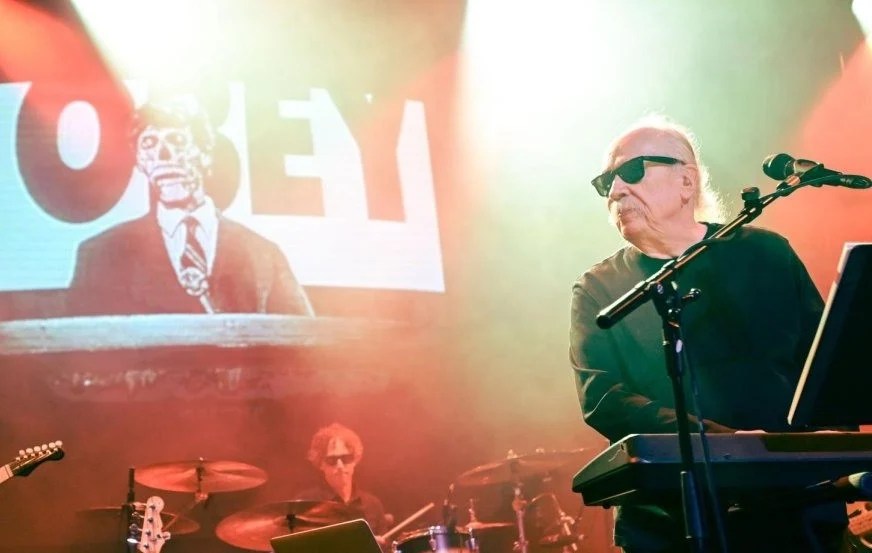

John Carpenter is a name that resonates through the halls of horror history like a recurring nightmare you never want to end. This Friday, the "Master of Horror" turns 78, and the world of genre cinema is pausing to give the man his flowers. While his directorial eye gave us classics like The Thing and They Live, it is often his fingers on the synthesizer that truly defined the atmosphere of our favorite cinematic terrors.
According to a recent tribute from Bloody Disgusting, fans are currently celebrating "John Carpenter Week" to honor the legend’s birthday. This celebration coincides with the release of Halloween Night: John Carpenter Live from Los Angeles on the Screambox streaming platform, a must-watch for anyone who appreciates the visceral energy of a live Carpenter performance. But while we all know the 5/4 sting of the Halloween theme, there is a wealth of sonic gold buried deeper in his filmography.
The Sound of Fear: Beyond the Shape’s Theme
When we think of Carpenter’s music, the mind immediately jumps to the pulsing, rhythmic dread of Escape from New York or the minimalist piano of Halloween. These are iconic, foundational pieces of electronic music. However, Carpenter’s discography is vast, and some of his most experimental and evocative work often stays hidden in the shadows of his more mainstream hits.
His ability to build tension with minimal resources is legendary. In the late 70s and early 80s, Carpenter was essentially creating the blueprint for what we now know as Synthwave. But as he matured as an artist, his scores began to incorporate more diverse influences, from the blues-infused riffs of Vampires to the industrial metal shredding found in Ghosts of Mars. To truly appreciate Carpenter is to appreciate his evolution from a minimalist synth-wizard to a full-blown rock-and-roll composer.
Diving into the Deeper Cuts
Among the scores that deserve a second (or tenth) listen is his work on In the Mouth of Madness. Moving away from the purely electronic pulses of his earlier career, this score features a heavy, driving rock influence—famously inspired by Metallica’s "Enter Sandman"—that perfectly mirrors the protagonist’s descent into Lovecraftian insanity. It’s aggressive, unsettling, and a far cry from the simplicity of Michael Myers’ theme.
Another standout is Prince of Darkness. This score is arguably Carpenter’s most atmospheric and dread-inducing work. Utilizing choral synths that sound like a digital choir of the damned, the music creates a sense of cosmic inevitability that makes the film’s scientific-religious horror feel all the more oppressive. It’s a masterclass in using sound to fill the space where dialogue isn't needed, proving that Carpenter understood the frequency of fear better than almost anyone in the industry.
The Legacy of the Synth King
Why do these scores matter today? Carpenter’s influence can be heard in everything from Stranger Things to the latest indie horror hits like It Follows. By looking back at his underrated works, we see a composer who was never afraid to reinvent his sound. Whether he was collaborating with Alan Howarth in the 80s or his son Cody Carpenter and godson Daniel Davies in the modern era, the "Carpenter sound" has remained vital and fresh.
As we celebrate his 78th year, it’s the perfect time to dim the lights, crank up the speakers, and explore the darker corners of his discography. From the urban western vibes of Assault on Precinct 13 to the haunting melodies of his Lost Themes albums, John Carpenter continues to prove that he is the ultimate architect of cinematic anxiety. Happy Birthday, Maestro.